
As writer Anthony J. D’Angelo suggests, “Don’t reinvent the wheel, just realign it.”
When you see that a system works for someone else, do you start from scratch as you work towards a similar goal?
Or do you add your own flavor to what’s already worked for others?
This quote informs life decisions and business goals, and it holds true for PPC campaigns as well.
Your competitors are rocking their PPC campaigns! They’re generating traffic, leads, and purchases that help sustain their businesses. If you’ve been struggling with your PPC campaigns or you’re doing pretty well but would like to learn a bit more, keep reading.

Instead of reinventing the wheel, you can watch and learn from your competitors.
Pre-PPC Campaign (What To Do Before You Watch and Learn)
Before you begin watching and learning from your competitors, there are a few things you’ll want to have set in place. Let’s look at this list:
- Is your website in its best condition? By this we mean, does it look professional and is it functioning properly? Is the landing page you plan to link your PPC ad to ready to go? Make sure you check all of your links so that none of them are broken. Use clear photos, an attractive theme, and offer valuable content.
- What’s your PPC campaign budget? Without a budget, your campaign will run haphazardly. And it’s likely that you might end the campaign too soon because you hadn’t set limits. The cost-per-click (CPC) can be set automatically or manually. When it’s done automatically, Google sets the bid amounts in keeping with your budget. Manual CPCs can also be budgeted, but in this case you set the bid amounts.
- What’s your strategy? Are you looking to increase mobile or social media traffic to your website? If so, how? Learning a new approach will be meaningless without a plan.
- Have you set up an AdWords account? AdWords accounts are connected to Google Accounts, so you’ll need to have one set up to start your campaign. Or you can just create a new one. If you currently have a personal Gmail account, Google suggests opening up a new Google Account if you plan to use your AdWords account for business purposes only. Bing ads is another signup option.
- It can take a few weeks to a few months for you to see the benefits of your PPC campaign.
- Are you familiar with choosing keywords? Keywords are the backbone of your PPC campaign. For a detailed explanation of how to build a keyword list, read this post. Here’s another helpful post about keyword research.
- In addition, you should probably read our post about a recently discovered trick: “How to upgrade your AdWords quality score“.
- How will you track conversions? If keywords are the backbone of your PPC campaigns, then conversion tracking is the circulatory system. It transports needed information into every aspect of your PPC campaign. Without tracking, the campaign is simply a turning wheel.
Now we can dig into existing successful campaigns and the ways you can learn from them.
The Anatomy of an Effective PPC Campaign
The effectiveness of a PPC campaign will vary by company because there are multiple components involved.
Some of those components include your campaign goals, web category, the fierceness of existing competition, audience connection, keyword choice, ad copy, landing page copy, and so forth.
[tweetthis]The effectiveness of a #PPC campaign will vary by company because there are multiple components involved.[/tweetthis]
But that doesn’t mean that you can’t look at what’s been done and glean tips that might work well on your website.
Below are some PPC campaigns that have worked well. These companies contracted help, but if your budget doesn’t extend that far, you can study these cases and related links to get your PPC campaign going.
Case Study 1 – Proto Labs
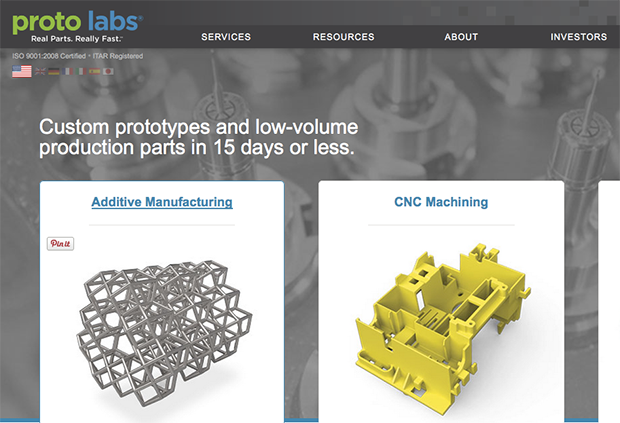
ExtraDigital carried out a PPC campaign for Proto Labs, a prototype production company. They were looking for lead generation campaigns that would help grow their business. Two components of their campaign stood out:
- Choice of keywords: Of the five keyword match types available, ExtraDigital used phrase match and broad match. Broad match words include synonyms, misspelled words, variations related to the key term, and related searches. Phrase matches are long-tailed keyword phrases and variations of such phrases, such as, “orange hats” or “orange knit hats.”
- Language selections: Proto Labs owns websites in 6 languages, so it made sense to create campaigns in all of the most frequented websites. In this case, campaigns were created in 4 of the six
Results Summary:
With keyword parameters set, improved content on landing pages, continuous campaign assessment, and efficient budget usage, there was a 111% improved conversion rate on Proto Lab’s French website within three months. These results were achieved with a 51% decrease in cost per conversion.
What Can We Learn from Proto Labs?
- Familiarize yourself with Google’s keyword match types to choose ones that reflect the words and phrases your audience will likely type into a search engine.
- Also related to audience, if your client base is international, consider translating your websites. If the bulk of your sales comes from certain countries, or if you’d like to position yourself to gain sales from a specific audience, it may help to set up websites in their native language.
Case Study 2 – Ties

Ties.com needed to kick start improved PPC campaigns and outsourced help for that.
Existing ad campaigns, ad copy, and keywords had been neglected because the company was short staff. Considering the staffing issues and with thousands of products to offer, the company’s PPC campaigns had lost traction and hadn’t been consistently monitored.

The President and COO, Omar Syyed had two goals. He wanted a higher return on his ad campaigns, and he wanted to be able to systematize the PPC campaign process. Here’s what changed:
- Rewritten ad copy: Syyed worked closely with the outsourced company to set the foundational aspects of their PPC campaigns. They rewrote Ties.com copy and communicated with Syyed for final approval. He was able to receive and provide feedback. This level of personal interaction was important to him. See an example of their new ad copy below.

- Systemization: Syyed’s communications with the outsourced company exposed him to a new marketing approach. Once the campaigns were over, the ad optimization process was incorporated into the company’s long-term marketing plan.
Results Summary:
- Clickthrough rates (CTRs) were 1.1% and now average 2.7%
- High performing CTRs are over 17%
- Cost-per-acquisition was drastically reduced by 71%
- Google ad positioning for this website has risen to two or three
- com split their bidding 60/40 between Google and Bing, respectfully
- Their conversion volume increased by 400%
What Can We Learn from Ties.com?
- Get help if you need it. In this case, outsourced marketing services were beneficial, even with a tight budget. Your company can then adopt what was learned throughout the process for future campaigns.
- Conversions may vary by ad. The PPC campaign process requires a lot of trial-and-error, so adopt patience when promoting your website.
- Systemizing your approach to creating, monitoring, and maintaining your ad campaigns can increase your return on investment. It can be especially helpful if you’re running a small-scale ecommerce website that offers thousands of products.
[tweetthis]Systemizing your approach to creating, monitoring, and maintaining your #PPC ad campaigns can increase your ROI.[/tweetthis]
Case Study 3 – HourlyNerd

HourlyNerd is a B2B consulting company. They match students and graduates from top MBA programs with companies that need expert business consulting services.
HourlyNerd faced a costly challenge.
The keywords used in their PPC campaigns were too broad to attract clicks from their targeted audience.
Also, leads weren’t a match for services offered by HourlyNerd. They felt they were pouring money down the drain. Another drawback was that some keywords cost them around $20 per click due to fierce competition in the business consulting field.
After overhauling their PPC strategy, HourlyNerd achieved results that kept their company in operation. Here are some changes they made:
- Keyword choice: The company incorporated targeted, long-tail keywords into their PPC campaigns. Additionally, they discovered which negative keyword was costing them and added it to their negative keyword list to avoid mismatched clicks from that search term.
- Landing page A/B tests: HourlyNerd requested the help of an optimization company to test their landing pages for a full month. It turned out that their landing page conversion was not as low as expected. The company saved money by maintaining these pages themselves.
- PPC training for sales staff: HourlyNerd sent their sales staff for a one-day training on sales tools about This has helped the sales team funnel PPC leads more efficiently.

Results summary:
- Applying a negative keyword saved them $1000 monthly
- Conversion rates increased from 30% to 50%
- Lead value increased 100%
- Revenue from PPC leads increased 100%
What Can We Learn from HourlyNerd?
- Allow for flexibility and give your campaigns time to produce results. HourlyNerd was close to folding their company due to the amount of money faulty PPC plans lost them. By reassessing the situation and implementing changes, the company was able to make significant gains.
- Trust your skills. The company thought their landing pages had low conversion rates. Split tests revealed the pages functioned well.
- Learn as much as you can. By educating staff members who weren’t directly involved in PPC campaigning, HourlyNerd was able to broaden the impact of their PPC strategy.
How to (Really) Know the Competition
Jaime over at SearchEngineWatch.com puts a twist on the old sales phrase, “know your competition.” As he explains, to differentiate your company, you want to know more about your competitors than which keywords get their bids. Instead, he suggests:
- Searching for an industry keyword
- Reading the related advertisements
- Choosing the one that speaks directly to you as a mock customer
- Clicking through to visit the landing page
- Taking note of the competitors’ copy
This way you learn more than which products and services are offered by the competition.
[tweetthis]To differentiate your company, you want to know more about your competitors than which keywords get their bids.[/tweetthis]
You learn about their sales copy and how they incorporate their keyword into their copy. You’ll also learn how they present offers to their customers and the ways in which they place opt-in forms on their landing page.
Lastly, you learn how customers are funneled through sales pages.
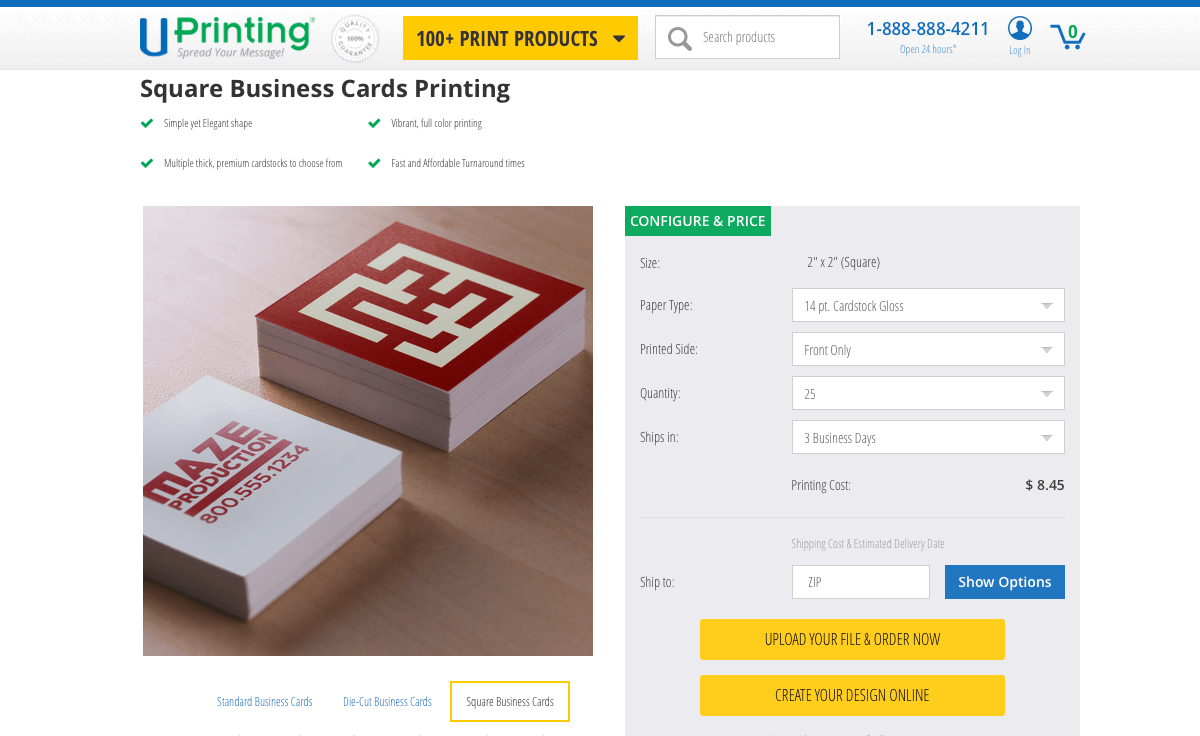
For instance, by going to a search engine and keying in the phrase, “square business cards” you can explore text and page layout on multiple web pages.

Three PPC ads were at the top of search results for this keyword phrase. The company websites were: UPrinting.com, Moo.com, and THikit.com. On each landing page was header text incorporating the phrase, square business cards:
UPrinting: “Square Business Cards Printing.”
Moo: “Square Business Cards.”

THikit: “Want to Make an Impression: Print Square Business Cards on Really Thick Paper.”
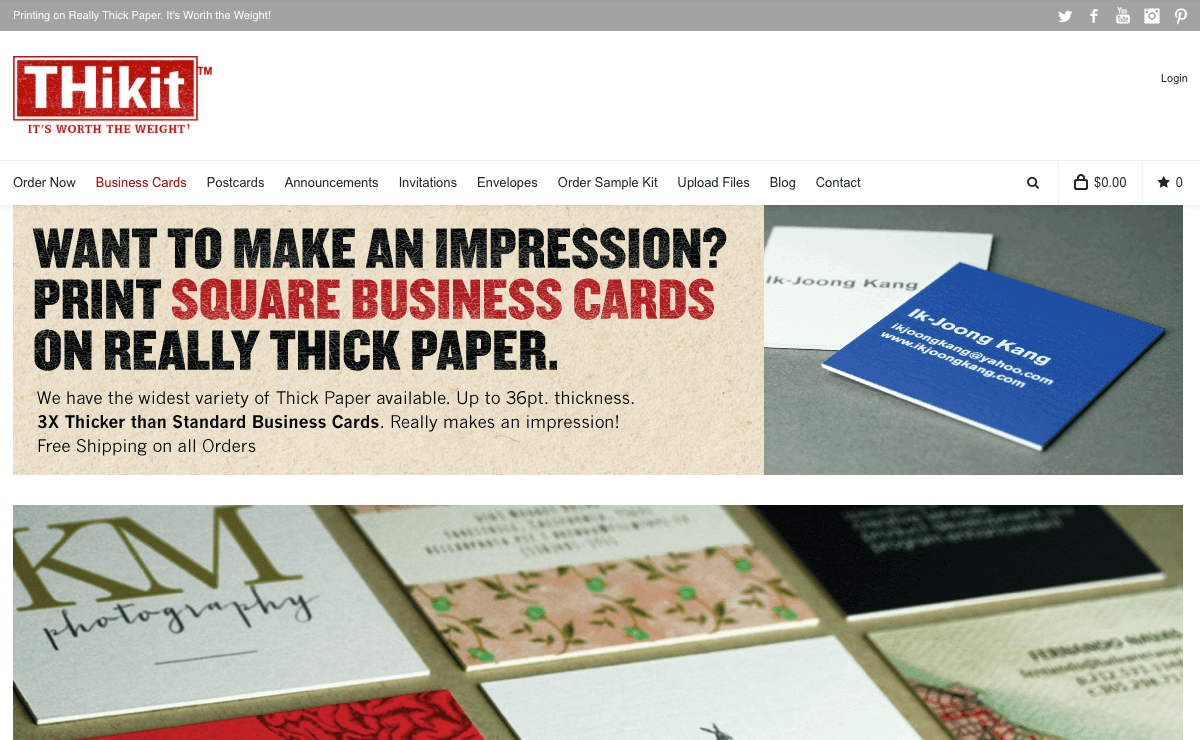
Think about this header text and also look over each website’s landing page image. Here are some questions to consider when researching the competition:
- Which of the headlines are most appealing to you?
- What’s your impression of each landing page?
- Which site’s ad copy is more persuasive, making you want to buy?
- What do you think about their product photography?
- What about the design layout?
- Is their message clear – both textually and visually?
- What was the overall experience like for you? (From clicking the PPC ad to arriving on their website, and so on.)
Make note of what works and what doesn’t. Consider how your target audience might respond to each ad. If you like an ad, but your target customer isn’t intrigued, that ad won’t get the click. So think about how your ideal customer would respond to the overall experience as well.
Knowing the Competition: Empirical Insights
You can take your assessment a step further with empirical data. Using Google’s Auction Insights Report, compare your campaign performance with your competitors.
The search campaign report shows you your share of impressions, who’s positioned above you in the SERPs, outranking share, and the top of page and overlap rate. For shopping campaigns, only the first three stats are given. This information determines what you pay per click, so it’s worth investigating.
The AdWords Performance Grader grades your AdWords performance to help you get the most out of your campaign.
This free report reviews your ad copy, keywords, landing pages, click through rate, quality score, and more. Your final grade indicates how your campaigns are performing in comparison to your competitors.
Another tool, iSpionage, guides you towards finding profitable keywords based on your competitors’ URLs. This tool examines the entire sales funnel so you can gain an edge on the competition. In addition to the report, you’ll receive alerts and updates by email.
As you plan which approach will best help you watch and learn from competitor PPC campaigns, consider Google’s recent feature. Their Keyword Planner tool provides insights into competitors’ ad impressions.
You can estimate your share of an ad impression in comparison to the top five market leaders from your list of keyword ideas. Keyword category comparisons will be made in relation to similar advertisers.
Conclusion: Finding Your PPC Sweet Spot
We’ve covered a lot of information about watching and learning from your competitor PPC campaigns. The idea of adding your own unique spices to the stew instead of creating a new recipe still applies. You don’t want to ignore what’s been done before.
In that same vein, you want to make sure your PPC campaign choices reflect back to your company’s missions and goals. And what matters most is that each PPC campaign speaks to your audience to let them know that you offer the goods and services that they need.
Now it’s your turn – how will you use this knowledge to spearhead your PPC campaign to success?

Elna Cain is a professional writer living in Canada. She works closely with B2C and B2B businesses and has a background in marketing and psychology. She’s been featured on OptinMonster, Social Media Today, Blogging Wizard and is a Huffington Post contributor.
Also published on Medium.